by Kristen A. Schmitt
On Friday, Sept. 27, 2024, hours after making landfall at peak intensity along the Big Bend region of Florida, Hurricane Helene roared across the southeastern U.S., triggering catastrophic flooding in western North Carolina, East Tennessee and southwestern Virginia. The Category 4 storm took the area by surprise, coupling the onslaught of rain with gale force winds that snapped oaks and hickories like twigs, leaving a decimated landscape in its wake.
For Sean Barry, a resident of Marshall, North Carolina, no one believed it would be as bad as it was.
“It caught us off guard,” said Barry, RGS & AWS’s forest conservation director in the Southern Appalachian region. “It looked more like a tropical storm. We’d thought we’d get some rain, some wind and that would kind of be it. But things deteriorated quickly.”
States of emergency had already been declared in Florida and Georgia ahead of the storm, but Hurricane Helene’s torpedo speed propelled it further inland, placing portions of North Carolina in its crosshairs.
“The winds picked up and you could tell it was going to be a problem,” said Barry. “Standing on my porch, I could hear the trees crashing.”
Torrential rain saturated the mountains, causing mudslides as trees tipped and wind, rain and tornados blasted across the area. While Hurricane Helene’s unchartered path only lasted three days, it ended up clear-cutting hundreds of thousands of acres of sustainably managed forests and caused $113.5 billion of damage, making it the deadliest hurricane since Hurricane Maria in 2017 and the deadliest to strike mainland U.S. since Hurricane Katrina in 2005.
Further, as scientists with the Lawrence Berkeley National Laboratory and World Weather Attribution studied the intensity of the storm, they attributed the extreme rain and wind to climate change, which can increase the frequency, intensity and impact of extreme weather events like hurricanes, wildfires and drought.
“What’s important to understand, in this instance especially, that sustainable forest management can be a tool in our toolbox to create more diverse and resilient forests,” noted Barry. “When there are extreme weather events, when there’s big fires or pest outbreaks, having a healthy, diverse forest is critical for combating some of those challenges that come with climate change.”
Post-Helene Relief: RGS & AWS Foresters Meet the Challenge Head-On
As Hurricane Helene receded, leaving thousands without power or a way to communicate with loved ones, Cooper Leist and a group of friends began the arduous task of checking in on family and friends.
“We’re a bunch of whitewater kayakers, so most of us all have four-wheel drive vehicles and high clearance,” said Leist, a RGS & AWS forest wildlife specialist who works on private lands in North Carolina. “We were able to drive around and get over all of the hazards to check on people, but slowly we started realizing it was way worse than we initially thought. People didn’t have power. There was no Internet anywhere. Food was dwindling.”
In the middle of the night, Leist was able to finally gain internet access, likely because the already overburdened service wasn’t being used at that time. He immediately posted messages to social media asking for donations and help.
“We mentioned that we were interested in trying to get supplies to the impacted folks because we were doing pretty okay, all things considered,” said Leist. Those who wanted to help sent Leist money via Venmo, which he used to purchase two 55-gallon food-safe drums, filling them with fresh, spring water from a friend’s parents’ place before driving back into West Asheville to start distributing water. More of Leist’s friends collected and distributed food, creating a grassroots relief effort that soon snowballed into something more.

Leist posted photos on social media, “trying to be as transparent as possible to everyone who trusted us with their money.”
Soon after, Leist said that Venmo and PayPal locked them out of their accounts because the donations kept pouring in, so they reached out and partnered initially with the French Broad River Academy, a North Carolina-based independent middle school in Woodfin, to access the funds for hurricane relief before branching off to form their own nonprofit: Helene Rebuild Collaborative. Leist, together with friends Lance Buskey and Sam Iatarola, was able to continue funneling food, water and hygiene supplies throughout post-Helene Appalachia while also helping with bigger projects like restoring internet access by kayaking and laying fiber optic cable for AT&T.
“I was interacting with Special Forces and the National Guard because we had our fingers on the pulse of the area,” said Leist, who was thankful that RGS & AWS gave him time off to help with hurricane relief. “I served as director of operations, we had more than a thousand volunteers in that first two and a half weeks and, I believe, we served 14 counties.”
For Leist, who’d volunteered back in college at soup kitchens and animal shelters, this was the first time he’d ever done something of this caliber, and he was appreciative that community members and the French Broad River Academy were there for support. “It wasn’t something that we did alone, by any means. The community support was completely mind blowing. I’ve never seen a community come together like that just instantly. There was no thought or hesitation behind it.”
Meanwhile, down in Georgia, Dan Kutschied was also reaching out to friends and family. The storm, which was supposed to hit his town head-on, detoured instead towards Buncombe County and the Asheville area in North Carolina’s Blue Ridge Mountains where his brother lived.
“I ended up losing power for maybe six hours [in Georgia], but I lost communication with my brother for a couple of days,” said Kutschied, RGS & AWS’s Georgia forest wildlife specialist. “And then we heard about what was going on up there with all of the damage.”
He began procuring supplies to deliver to those in need. “Right after the hurricane happened, pretty much everything was sold out until you got to Gainesville. That was the first place they could actually get gas for their cars.”
Kutschied rolled into action, obtaining numerous five-gallon gas cans so he and his brother could haul truckloads of gas back to North Carolina, driving through “neighborhoods that were washed out … through tunnels of fallen trees … and over dead powerlines that were strewn across the ground.”
He also helped deliver water in the immediate aftermath and delivered dozens of propane heaters, coordinating with Leist to buy supplies that were badly needed.
“My brother operates a food truck,” said Kutschied. “I helped him run around and get jugs of water … it was difficult to get the amount of water that was needed to run a food service at that time, but I think he was able to serve 150 people meals each day once the truck was up and running.”
The Aftermath: Rebuilding Forests and Communities
Now, several months post-Helene, RGS & AWS is in the midst of helping clean up acres and acres of downed timber, working with partners like the U.S. Forest Service, state fish and wildlife agencies, state forestry agencies and other organizations that include the Natural Resources Conservation Service, The Nature Conservancy, National Wild Turkey Federation, Pheasants Forever and Quail Forever and the Rocky Mountain Elk Foundation.
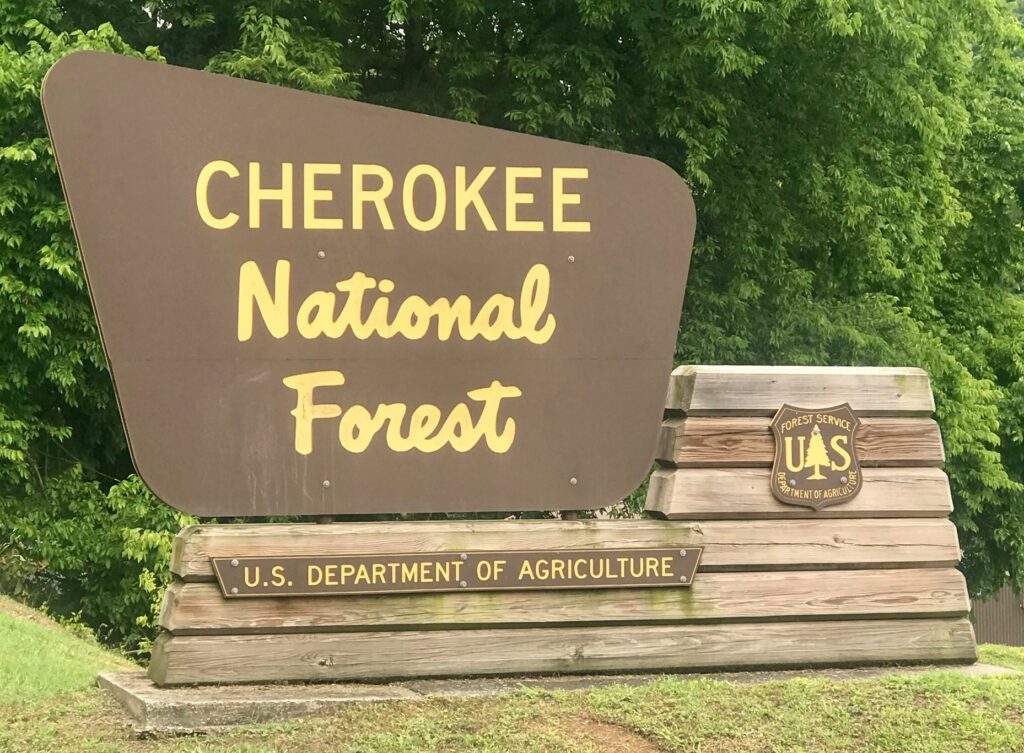
“In the early days following Hurricane Helene, our teams worked tirelessly to clear critical roads and bring their incident management expertise to serve their communities,” said Jenifer Bunty, acting district ranger in the Grandfather Ranger District of the Pisgah National Forest, which spans more than 500,000 acres in western North Carolina. “Now that we’re moving to a new phase, we’re working to complete damage assessments on the Forest while supporting recovery throughout western North Carolina.”
However, those assessments will take months to complete.
“It’s very clear that Helene caused extensive damage to our forests in areas both directly in the path and those on the outskirts of the storm, with numerous trees uprooted and landscapes dramatically altered in its wake,” said Joe Franklin, a U.S. Forest Service co-op forester with the North Carolina Wildlife Resources Commission. “This kind of damage will, without a doubt, present a significant challenge in managing our forests and wildlife habitats.”
The first priority is removing the fallen timber from the ground because of its massive wildfire risk. In North Carolina, that means cleaning up nearly 250,000 acres of forest with a high concentration of that acreage on private land. Leist is working with landowners to make their land safe again while recouping financial losses and reestablishing forest management plans that will, hopefully, return the forests to their pre-hurricane stage in the future.
“What we’re seeing now is the proverbial reset button being hit in these regions at a rate way higher than we ever expected,” said Leist. “Trying to restore high-quality early successional habitat over the next five to 20 years is going to be really critical since we couldn’t do any of the site prep work that we would have done before a sustainable harvest.”
Downed timber at this capacity can also play havoc on a balanced ecosystem as invasive plants overwhelm the landscape, choking out native plants that wildlife depend upon.
“There will be an increased chance that we’ll face issues as forest managers, such as non-native invasive species, diseases, and high fuel loading from storm-stressed and damaged areas,” said Franklin. “But I feel strongly that through collaboration with conservation partners, we can navigate these complexities and work towards restoring the affected areas.”
Bunty called the event “identity-shifting.”
And the task ahead is immense; however, collaborative teamwork will help solve immediate issues while also bridging federal and local partners for long-term resilience across the forests and the Appalachia ecosystem as a whole.
“We have a lot of numbers that describe the extent of road damage, acreage of blowdown and changes to the fire fuel structure on Pisgah and Nantahala National Forests, but the impacts from Helene go beyond the unprecedented changes to infrastructure and ecosystems,” said Bunty. “The integral role that the forest plays in our communities is at the forefront of our minds as we plan our recovery efforts. We have a strong foundation of taking an ‘all-lands’ approach, especially when dealing with wildfires and planning controlled burns. We’re looking forward to building on that foundation with our partners as we move towards recovery.”
Ruffed grouse: From Disaster to Resilience
While it’s hard to look past the devastation following a storm this extreme, Barry is optimistic, especially when it comes to ruffed grouse.
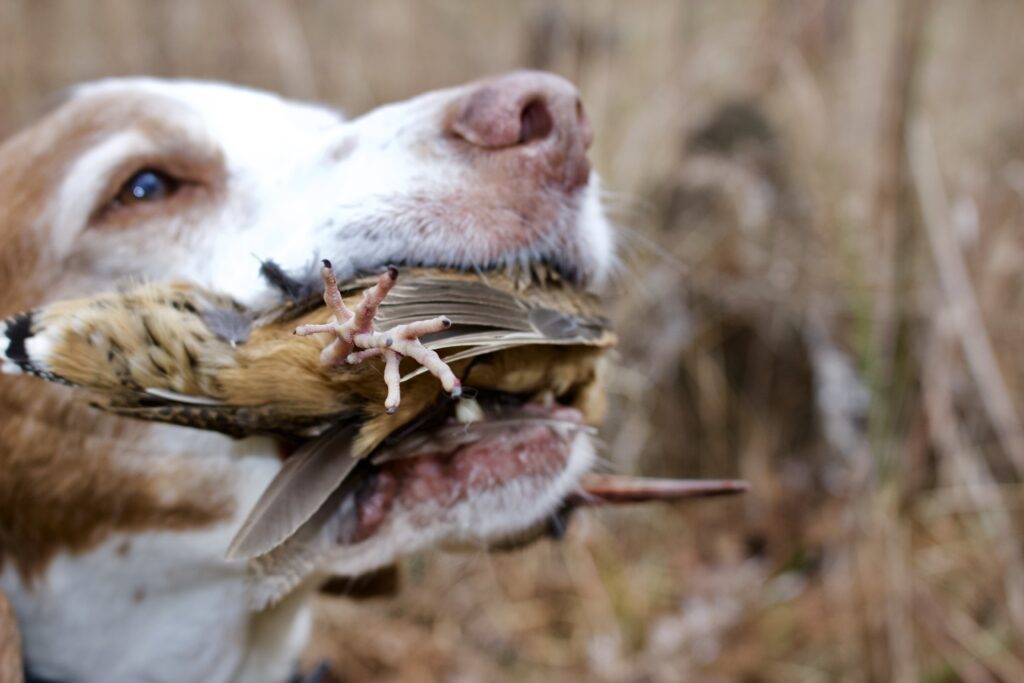
“Grouse are what we call a disturbance-dependent species,” said Barry. “And they actually do benefit from a disturbance event like a wind storm, an ice storm or even a hurricane.”
That’s because ruffed grouse thrive in dynamic forests where timber is periodically disturbed by fire or sustainable harvesting. Populations are less common in the Southern Appalachians and tend to diminish as forests mature and food and cover resources decline. In fact, repeated disturbances are essential to maintaining grouse populations, which is why Barry believes that ruffed grouse will potentially thrive in the subsequent years following the hurricane as more early successional habitat becomes available.
The true uphill challenge that lies ahead comes in managing and monitoring these impacted areas as forest restoration efforts continue. Opportunities for salvage harvests, non-native invasive species control and promoting desirable species composition will be essential for long-term success.

Kristen A. Schmitt writes regularly about the outdoors, conservation, wildlife, sustainable agriculture, adventure and more. Her work has been published in National Geographic, Smithsonian, Glamour, Marie Claire, Washington Post, Outside Magazine, among others. She is currently at work on her debut novel.