by Troy Holcomb, Minnesota DNR Division of Forestry

It’s a frosty 10-degree morning in early February—the perfect time to find a northern Minnesota logger in their natural habitat.
“It’s a good time to be a logger,” said Gene Ruud of Timber Transport, and he has good reason. Consistent low temperatures and minimal snow cover made accessing timber harvest areas with heavy equipment easier than previous years. To loggers, cutting trees isn’t just a job– they carry out their mission with a zeal and passion akin to an experienced pointing dog in their prime. Each year across Minnesota, between two and three million cords of wood are harvested. How that comes to happen and the impacts that it has is a story that touches everything from paper products like the magazine in your hands to young aspen forests used by grouse and woodcock.
Logging has many benefits. From a forester’s perspective, logging is an efficient and effective tool to manage large-scale forest health issues, reduce wildland fire risk and keep watersheds healthy.
Economics are another huge driver. The forest products industry is the fifth largest manufacturing sector of Minnesota’s economy, supporting approximately 71,650 jobs, many of them in rural areas. All of those people created and sold nearly $25.3 billion dollars’ worth of forest products in 2022.
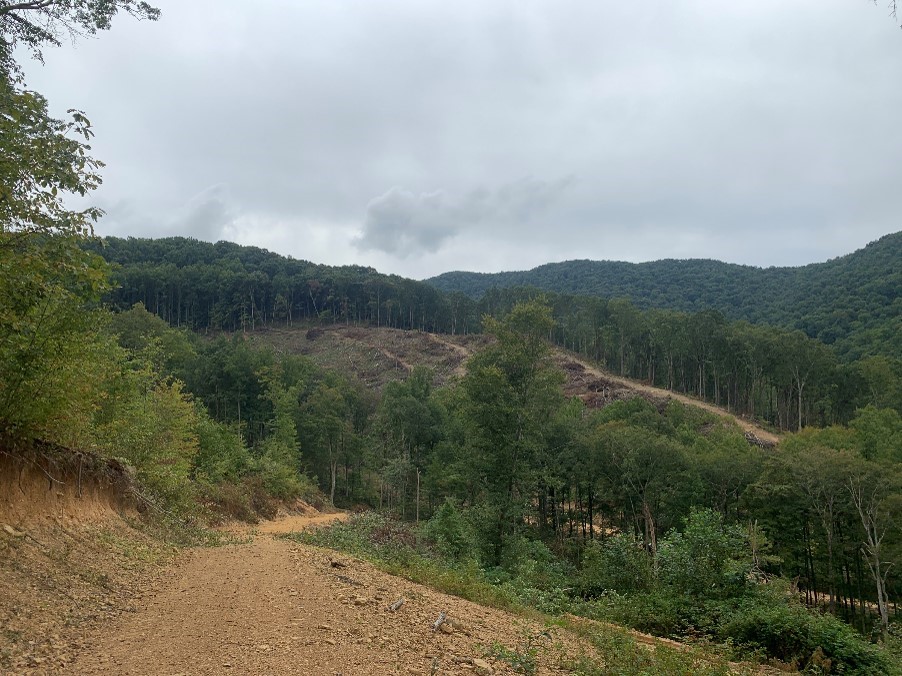
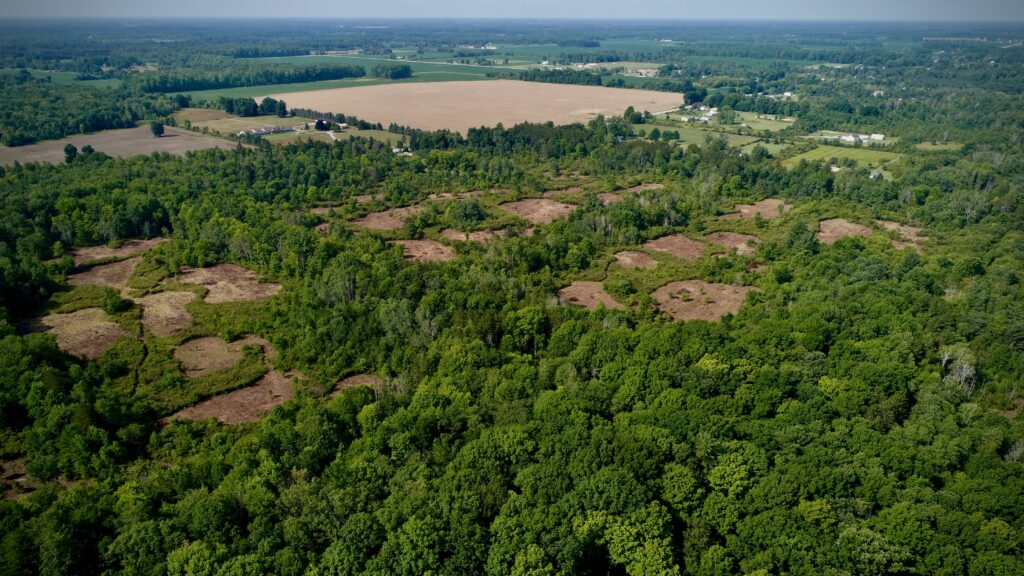
Ruffed grouse and woodcock hunters are one group that has a lot to gain from a strong forestry economy because, when it comes to wildlife habitat management in Minnesota’s Northwoods, the rubber really hits the road when the feller buncher fires up. The most efficient way to create the early successional habitat required by the King of Gamebirds is a well-planned commercial timber harvest.
A look at logging
“The forest products industry is critical for creating and managing wildlife habitat,” says Rick Horton, Executive Vice President of Minnesota Forest Industries (and former RGS & AWS biologist). “We can create landscape-scale habitat that isn’t possible through small projects. The economic driver of the industry provides funding and opportunities to create thousands of acres of critical young forest habitat annually.”
The work of timber harvesting in Minnesota is completed by loggers qualified through the Minnesota Logger Education Program. These professionals wear many hard hats: forester, businessperson, mechanic, accountant. They must be able to implement a harvest project according to a forester’s prescription to fill a volume quota at a wide range of mills in a dynamic environment of fluctuating weather, markets, labor force and fuel prices. The mills where the logs are delivered range from a local sawmill with a few employees to a large multinational paper company. Having these producers and consumers in place provides landowners a way to manage habitat and respond to forest health issues in a profitable way.
Forest managers in Minnesota work within a comprehensive set of Best Management Practices designed to guide sustainable timber harvest. Because of our strong adherence to responsible forest management, the Minnesota Department of Natural Resources (MDNR) has been recognized by two different independent, third-party verification organizations: the Forest Stewardship Council and the Sustainable Forestry Initiative.
Minnesota’s forest products industry capacity has steadily declined since its peak in the 1990s, most recently with the Verso mill closure in 2020. But forest growth is exceeding harvest, paving the way for potential expansion.
The story across the Lakes States is very similar. Even though wood is a renewable resource, changing consumer preferences is leading to reduced timber markets. In Minnesota, in recent years, just over half of the trees harvested went to making pulp and paper. As the use of paper declines, so, too, will the opportunity to conduct commercial timber harvests.
For species like ruffed grouse, American woodcock and golden-winged warblers that rely on young forest, the loss of a mill where a logger sells the timber they harvest will create a reduced ability to provide quality habitat. The strength and size of our timber markets have a direct impact on society’s ability to manage for wildlife habitat, reduce wildfire risk and respond to forest health outbreaks.
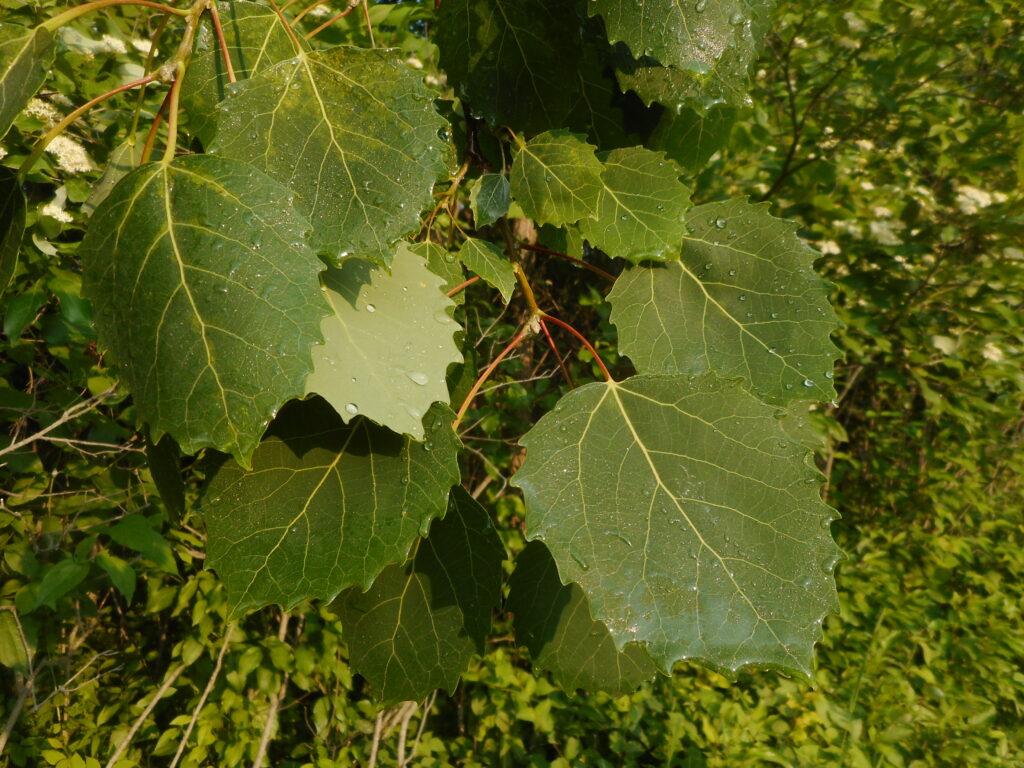
When it comes to creating grouse and woodcock habitat, aspen is king. It’s no coincidence that the range of ruffed grouse in North America closely mirrors that of our two native aspen species. In Minnesota, we use 22% more aspen than all other species combined. In 2022, the year for which the most recent data is available, 1.3 million cords of aspen were harvested from all ownerships. That equates to 52,000 acres of grouse and woodcock habitat created annually in a profitable way! Aspen harvest peaked in the 1990s with approximately 95,000 acres of aspen harvested annually. Interestingly, there was even a time in Minnesota in the mid-1980s where contractors were being paid to harvest aspen stands just to get the aspen to regenerate to maintain habitat diversity.
Due to long-term market trends, Minnesota is currently harvesting one million cords less annually than we were 30 years ago. In fact, our current harvest level of 2.77 million cords is significantly lower than the 4.1 million cords of naturally caused mortality occurring across Minnesota’s forestland, according to a 2020 U.S. Forest Service examination. Our forests are currently growing more than twice as fast as we harvest them each year. That’s a lot of opportunities for active habitat management!
Private woodland owners are key to maintaining healthy habitats
The ownership map of Minnesota’s forests looks like a patchwork quilt. Large tracts of public forests are managed by county, state and federal governments. The goals of these agencies differ slightly, but they’re all managing for the public good by offering timber for sale, protecting sensitive habitats and watersheds and providing recreational opportunities. On these public lands, foresters, biologists, ecologists and botanists develop long-range plans that guide what gets harvested, where and when. Emphasis isn’t just placed on what gets logged, but also what gets reserved. Tribal Nations and some major mills also own and manage forest resources.
However, at 45%, the single largest ownership group are private owners. Due to their range of goals, smaller parcel sizes and potential lack of knowledge, this group may be underserved when it comes to managing their woods to meet their goals. This is important to understand because wildlife doesn’t care about the boundaries of a 40-acre parcel. Helping landowners manage their woods sustainably benefits all citizens – human and animal.
Woodland assistance is available to landowners from a variety of sources that each have their own niche: local Soil and Water Conservation Districts, private forestry consultants, state forestry agencies, outreach foresters with the university extension service and even RGS & AWS staff all help landowners access the education, motivation and assistance they need.
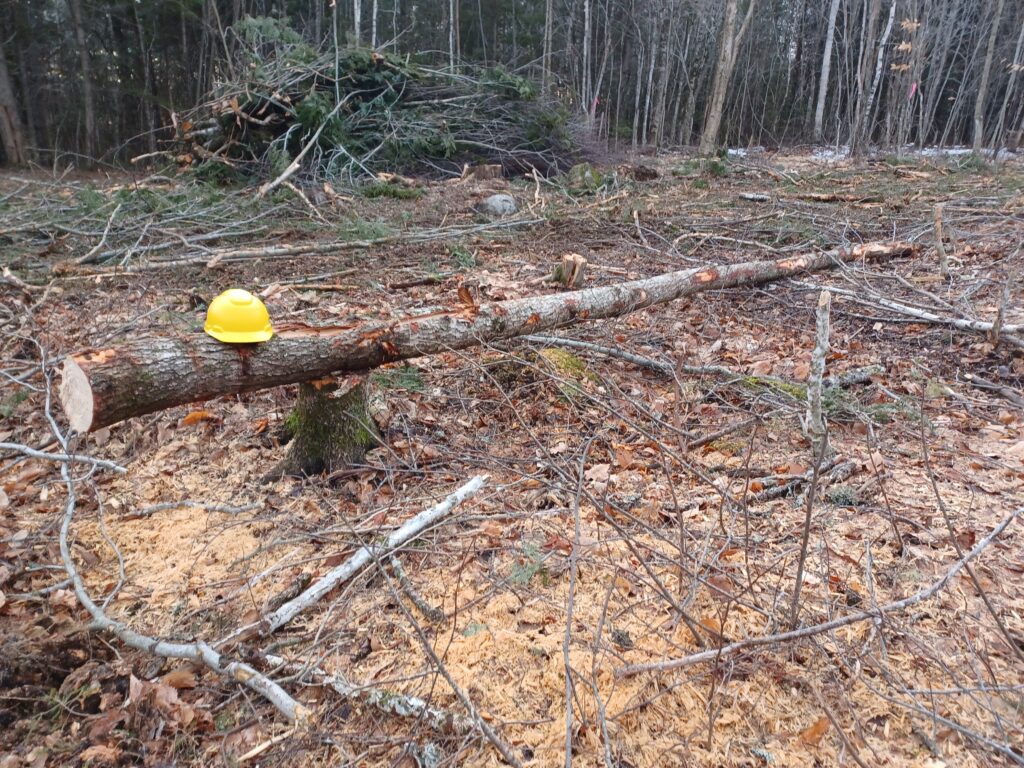
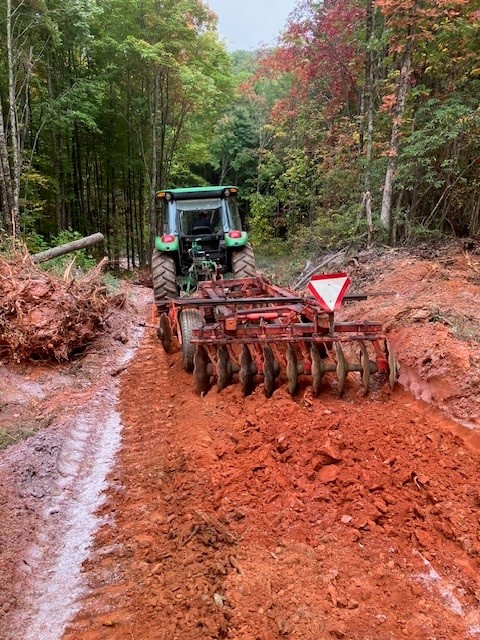
All this lead to the Timber Transport logging on this private parcel today. The landowner recognized that he had a property growing almost exclusively mature aspen. In search of advice to help meet his goals of maintaining game species habitat, he reached out to his local MDNR Forestry office. The forester explained to the landowner that while stands of older timber can be good habitat for furbearers and cavity nesting species such as woodpeckers and owls, aspen at the end of its lifespan is also highly susceptible to trunk rot and windstorms. Together, they developed a plan to conduct a series of harvests over the next 10 years to diversify the age class structure of the woods, harvest the volume of wood before the trees die and fall over and generate revenue. The forester helped the landowner advertise the timber harvest for bids to a group of loggers and get a contract signed.
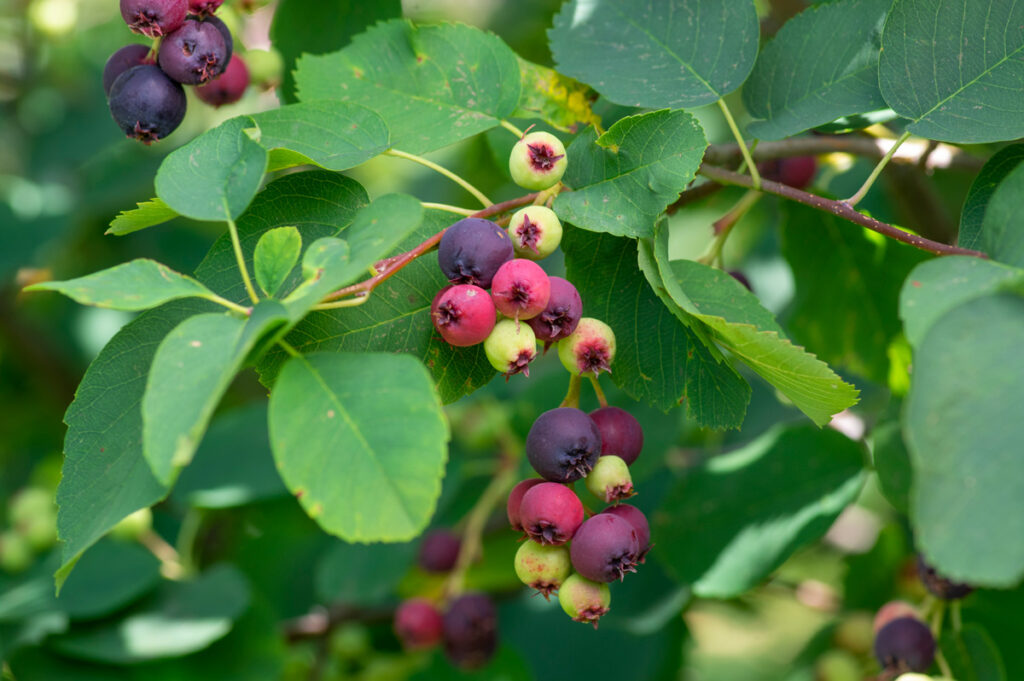
This regeneration harvest will allow sunlight to reach the ground. In response, berry producing shrubs will flourish, and the aspen will sprout back vigorously from the stumps and roots. This will provide great nesting and brood rearing habitat for ruffed grouse and woodcock. As the “root suckers” and stump sprouts shoot up, they become the primary food source for deer and moose through long, cold winters. Through active management and collaborating with a forester, the landowner was able to meet his goal and create a more diverse and resilient forest.
So, it’s clear that while logging may be a big business to the local and statewide economy, to hunters, logging is habitat business. Wildlife biologists, loggers and foresters are the boots on the ground, keeping our woods healthy and productive. And, because we have been able to hang on to our forest products industry, we can continue this work in a way where everybody benefits.
Troy Holcomb is a private lands assistance forester for the MDNR Division of Forestry. His favorite hunting dogs are pudelpointers.